The Drive to Mallacoota: Six Hours East for a Town That Time Forgot
Most Melburnians, when they think about a regional getaway, look north to the snow, west to the goldfields like Daylesford, or south to the Great Ocean Road. They rarely look east. That's a mistake, and Mallacoota is the proof.
Mallacoota is a small fishing village on the far east coast of Victoria, tucked inside an inlet at the edge of Croajingolong National Park. It's about six hours from Melbourne — a genuine commitment of a drive — and that distance is precisely what makes it special (it’s the same distance south along the coast from Sydney). The people who come here come on purpose. There are no day-trippers, no passing traffic, no one who stumbled in by accident. Mallacoota earns its visitors.
We've been several times, generally our favourite season is between September and December, and each time I arrive wondering why it took so long to come back.
The Drive
Head southeast out of Melbourne on the Princes Highway, through Gippsland. The first half of the drive is easy — dual carriageway, familiar country, unremarkable in the way that all highways are. The landscape opens up past Traralgon and into the broader Gippsland plains, and by the time you hit Bairnsdale — roughly halfway — you'll want to stop.
Bairnsdale is the natural lunch break. There are some lovely bakeries and cafés in town, and it's a good place to stretch your legs, refuel, and stock up on anything you've forgotten. Don't linger too long though — the destination is worth getting to early, and the second half of the drive is where it gets interesting.
Past Bairnsdale, the road narrows and the country changes. You swing through Lakes Entrance, then continue east as the traffic thins and the landscape becomes wilder. Eventually you turn right at Genoa and the road winds down through forest toward the coast. This last section — twisting through tall eucalypts, the light filtering through the canopy — is beautiful driving. It's also the part that reminds you how far from Melbourne you actually are, and that's not a bad feeling.
Just before Mallacoota, if you're looking for somewhere extraordinary, keep an eye out for the turnoff to Gypsy Point Lakeside. But more on that in a moment.
The Town
Mallacoota is a sleepy, remote fishing village. That's not a criticism — it's the entire point.
The town sits on a large inlet system, surrounded by national park on almost every side. There's a pub. There are a couple of small shops. There's a foreshore with pelicans that have absolutely no fear of humans. And there's a quiet that settles over the place in the late afternoon that you simply don't get in towns closer to Melbourne.
The vibe is unhurried in a way that feels genuine rather than curated. Nobody here is performing relaxation for Instagram. People fish, they walk, they sit on the foreshore and watch the water. The pace of the town matches the pace of the inlet — slow, tidal, determined by the weather rather than the clock.
What to Do
Fish
This is the main event for us. Hire a fishing boat from one of the easy hire places in town (check around the foreshore campground) and get out on the inlet. The fishing is genuinely excellent — a variety of species, and the flathead in particular can be enormous. If you haven't fished before, don't let that stop you — the inlet is sheltered, the boats are simple, and dropping a line over the side while drifting in the afternoon sun is one of the great pleasures of this place.
Watch Wildlife
Mallacoota is alive with birds, lizards, and marine life. The pelicans on the foreshore are practically residents — they gather in numbers and show no interest in moving for anyone. Keep your eyes open for sea eagles, and if you're on the water early in the morning, the birdlife on the inlet is remarkable. Further up the inlet are also giant goannas – check out Goanna Bay’s picnic ground that is only reachable by boat for a true feeling of a place that time forgot.
Eat at the Pub
Grab some fish and chips or stop at the pub. After a day on the water, a meal and a beer at the pub is exactly right.
Just Exist
This sounds like a non-activity, but it's the thing Mallacoota does best. Sit on the foreshore. Read a book. Watch the light change on the water. Listen to the birds. Do absolutely nothing with genuine commitment. The town rewards stillness in a way that busier destinations can't.
Where to Stay
Gypsy Point Lakeside
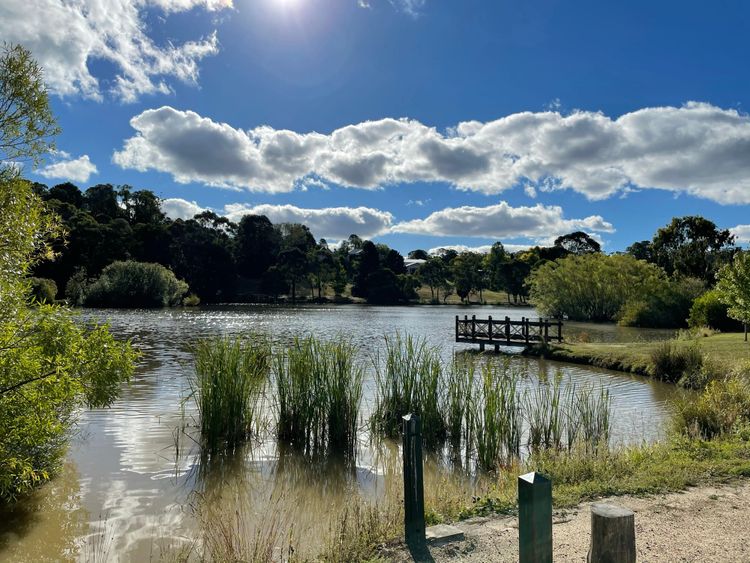
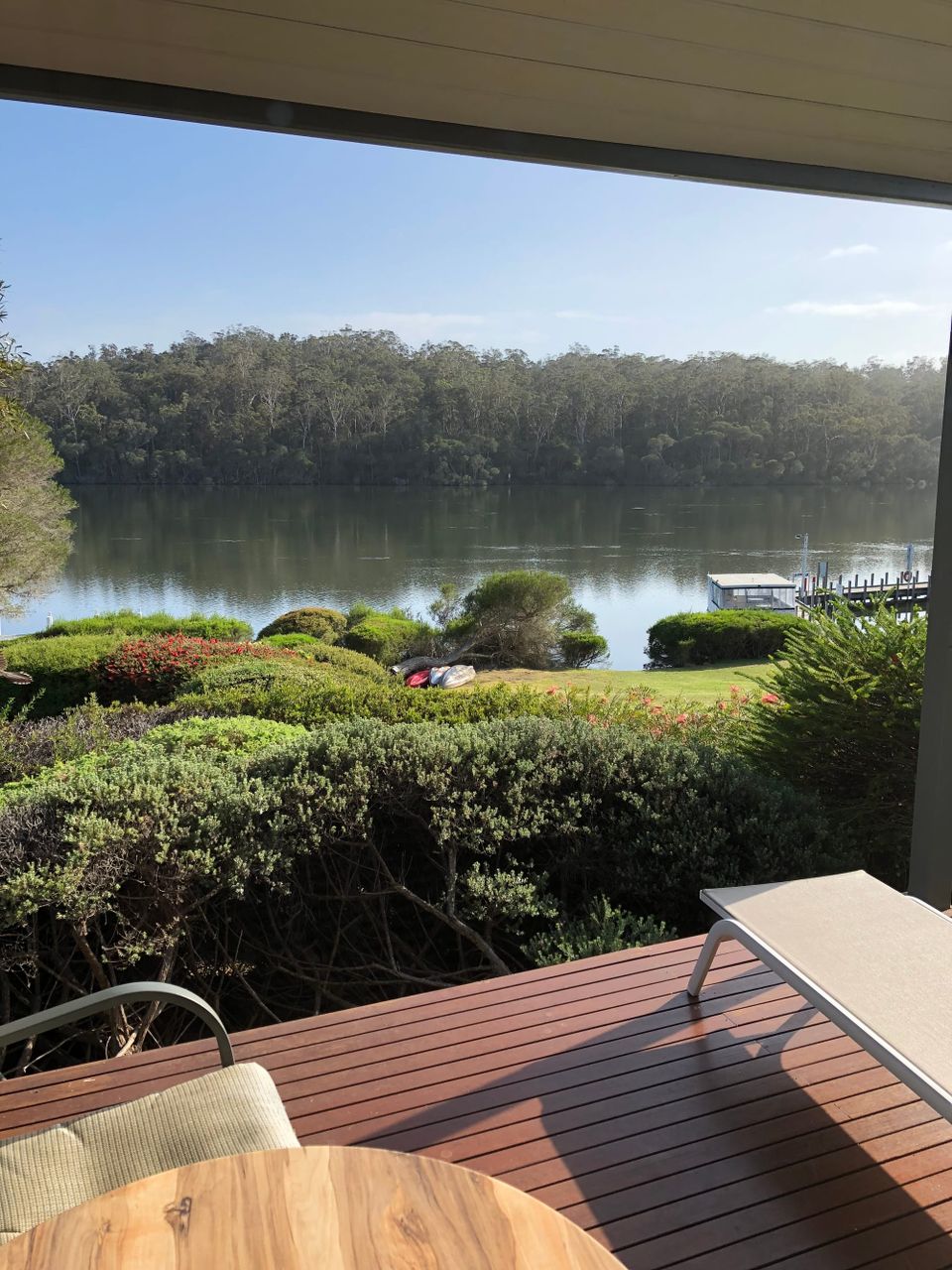
This is our favourite place to stay — not just near Mallacoota, but possibly anywhere. Gypsy Point Lakeside sits a bit further up the inlet, closer to Genoa, on the edge of an incredibly quiet and still lake.
The ambience is extraordinary. You're completely immersed in nature — water, bush, birds, silence. The facilities are excellent, and the setting is the kind of place where you find yourself speaking more quietly without realising it.
If it's open when you visit (check ahead), stay here. It will be the part of the trip you talk about most when you get home.
Caravan Parks
If you're travelling with a van, there are a few options in town. The foreshore is a personal favourit, well-positioned and it gives you easy access to the inlet and the boat hire.
The One Thing I Need to Mention
We were in Mallacoota three days before the devastating bushfires of 2019-2020.
A fire started near us on Christmas Day that was swiftly put out, but had our nerves jangling. We left while we could still get back to Melbourne (there were several fires through Gippsland at the time including near Lakes Entrance), and like the rest of the country, we watched from a distance as the fires tore through Croajingolong National Park and the town became one of the defining images of that terrible summer — residents and holidaymakers stranded on the foreshore, evacuated by navy vessels.
The town has recovered, as these places do — with resilience and without fanfare — and returning to support the community is long overdue for us.
I mention this because Mallacoota is a place that has earned something more than just your tourism. It's a town that went through one of the worst natural disasters in Australian history and came out the other side. Going back, spending money, hiring a boat, eating at the pub — these things matter to a place like this.
Can You Do It in an EV?
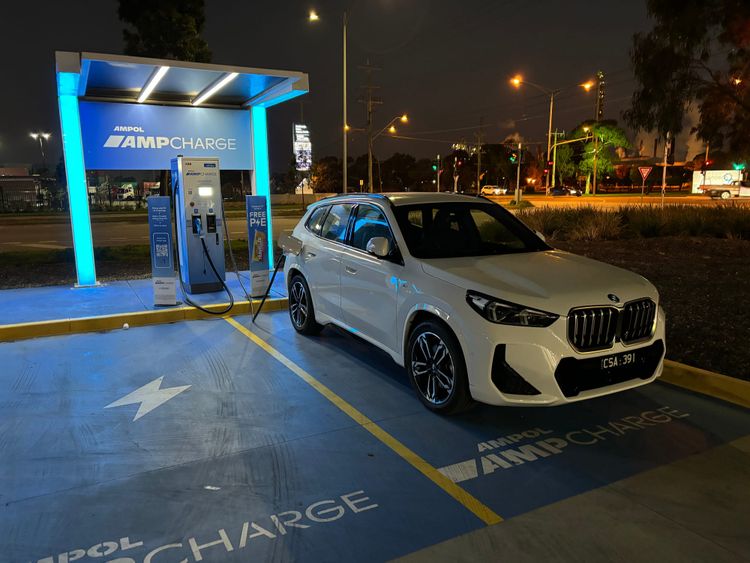
We've considered it many times, but the honest answer right now is: it's difficult. The distance is significant — around 500 kilometres each way — and the DC fast-charging infrastructure through Gippsland remains limited. It's improving, but as of today, I wouldn't yet want to rely on it for a trip this remote.
If you're in a long-range EV (the Zeekr 7X with its 615-kilometre range would theoretically make it on a single charge in good conditions), it's possible — but you'd want to do your homework on charger locations and availability before committing. For now, this remains a petrol or hybrid trip for most people.
When the charging network catches up — and it will — an EV road trip to Mallacoota through the Gippsland forests will be one of the great Australian drives. The quietness of an electric car suits this destination perfectly.
The Honest Version
Mallacoota is not for everyone. It's a long drive. There's not much to do in the conventional sense. The town is small and the facilities are basic. If you need constant stimulation or a curated experience, look elsewhere.
But if you want tranquillity and nature — real tranquillity, not a resort's version of it — Mallacoota is one of the best places in Victoria. The inlet, the fishing, the wildlife, the silence, and the sense of being genuinely far from everything are worth every one of those six hours in the car.
Go in spring or early summer when the days are long and warm. Stay at Gypsy Point if you can. Hire a boat. Catch a flathead or bream. Watch the pelicans. And drive home slowly, through the forest, with no reason to rush.
The Quiet Road covers regional Victoria, Tasmania, Italy, EV road trips, and the food and wine that connects it all. Subscribe to the newsletter for one recommendation every Friday.