Strahan: The Fishing Village at the Edge of the Wilderness
Tasmania's west coast doesn't get the attention that Hobart and the east coast do, and I think the west coast is perfectly fine with that arrangement.
Strahan is a small fishing village on Macquarie Harbour, surrounded by some of the oldest and wildest rainforest in the country. It's remote in the way that few places in Australia still manage to be — not just geographically distant, but genuinely removed from the rhythms of normal life. The town is quiet, historic, and alive in a way that has nothing to do with tourism and everything to do with the harbour, the boats, and the water.
We came here on our honeymoon. It was one of the best decisions we made.
Getting There
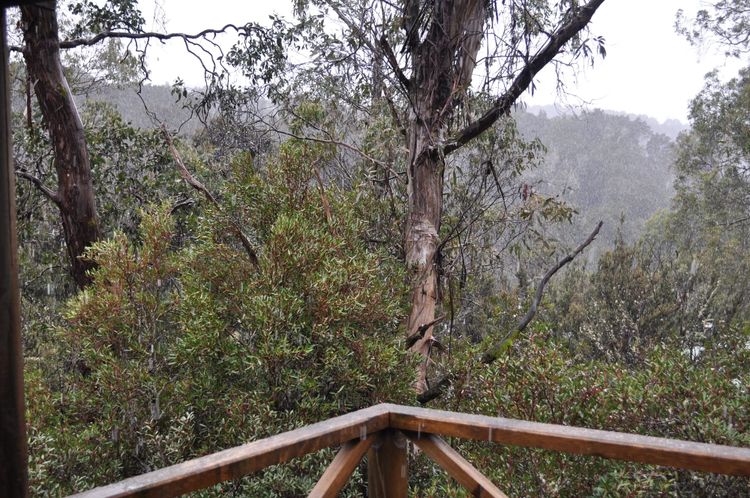
We drove from Hobart, northwest through the mountains. It's about four and a half hours, and the drive itself is part of the experience — the landscape changes dramatically as you leave the settled east and push into the rugged interior. By the time you descend toward Strahan, the air smells different. Wetter, greener, older.
We stayed two nights in Strahan, then drove on to Cradle Mountain Lodge. If you're planning a Tasmanian trip, this west coast-to-Cradle sequence works beautifully — the contrast between the harbour stillness of Strahan and the alpine drama of Cradle Mountain is striking.
We went in late September. Spring in Tasmania's west is unpredictable — we generally got lucky with the weather in Strahan, but the snow closed in behind us as we left. That felt about right for a place this wild. (Incidentally, the snow caught up with us once we’d settled at Cradle Mountain — another genuinely amazing part of the trip we’ll have more to say about later.)
Where We Stayed
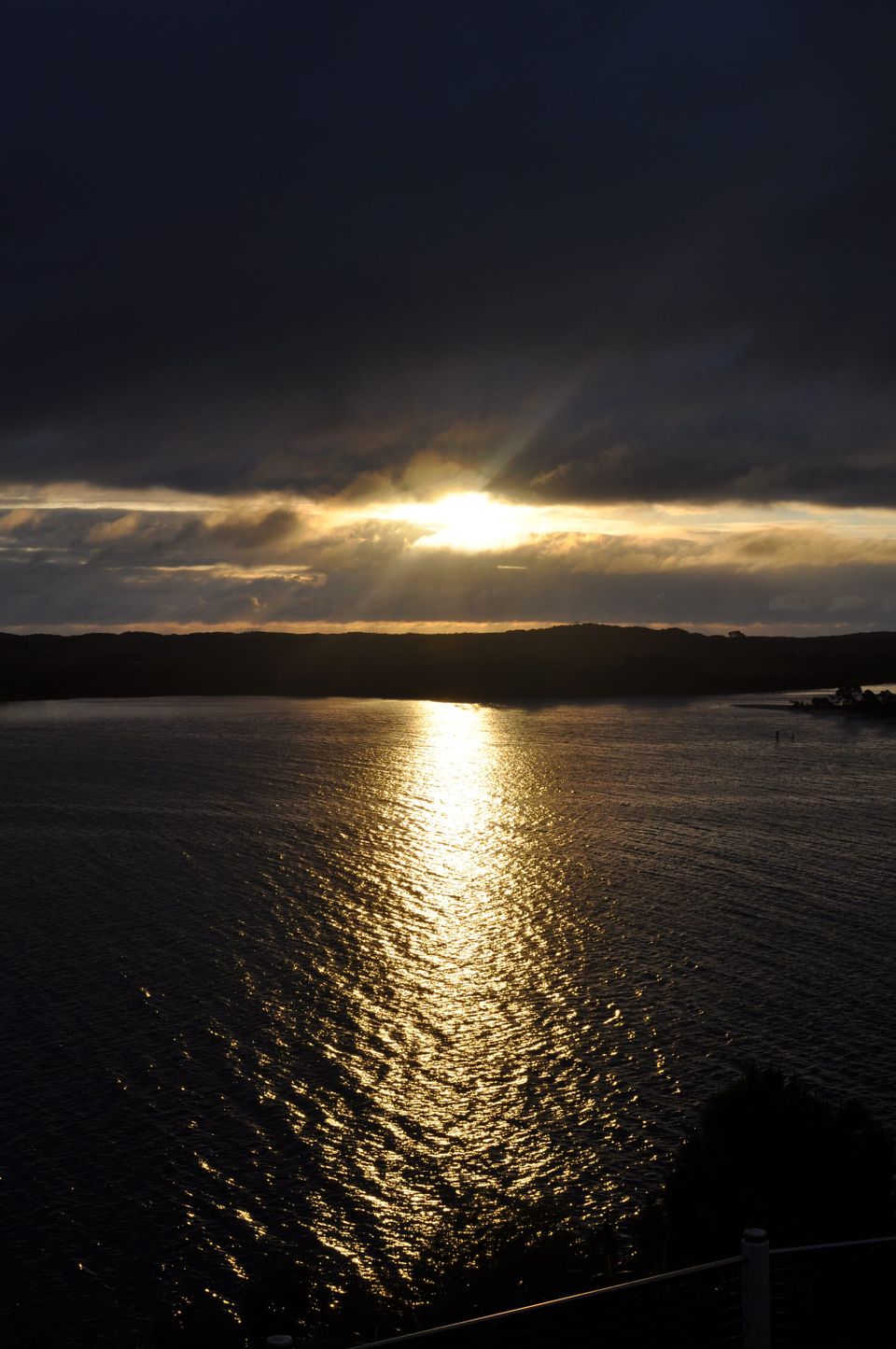
The Wheelhouse Luxury Apartments sit on the clifftop above the harbour, and the view is extraordinary.
From our room, we could see the entire inlet. In the early morning and late afternoon, we'd hear the rhythmic thrum of fishing boat engines long before the boats themselves came into view. Then we'd watch them, one by one, crossing the harbour below us — small shapes on a big sheet of water, unhurried, going about their work the way they have for generations.
That was the moment that stayed with me most from the entire trip. Not a landmark or an activity — just sitting in the lounge, watching the boats, hearing the engines carry across the water. It's the kind of scene that makes you stop talking and just look.
The Gordon River
You come to Strahan for the Gordon River, and you should.
We went with Gordon River Cruises, who let me drive the boat from the upper deck — a tiny joystick that felt absurdly casual for the size of the vessel. The river unfolded slowly as we motored upstream, the rainforest pressing in from both banks, Huon pines that have been growing for hundreds of years leaning over the water.
What I remember most is the stillness. The water was so calm there were no ripples at all. The surface was a perfect mirror — sky, clouds, and trees reflected so precisely that photographs of the river look like they've been flipped upside down and you can't tell the difference. It's one of those natural phenomena that sounds like travel-brochure exaggeration until you're floating on it and realising the brochure actually undersold it.
The silence on the river is remarkable too. At one point the engines cut and everyone on the boat stopped talking, almost instinctively. You could hear the forest breathing — water dripping, birds calling from deep inside the canopy, the faintest rustle of something moving in the undergrowth. It felt genuinely ancient.
If you have the option to take the upper deck or a premium cruise that gives you more time on the river, do it. This isn't something you want to rush.
The Huon Pine Mill
We visited Morrison's Huon Pine Sawmill in Strahan, and it's one of those stops that sounds like it might be a tourist trap but absolutely isn't.
Huon pine is one of the slowest-growing trees in the world — some specimens are over two thousand years old — and the timber has a beautiful golden colour and a distinctive honey-like scent. The mill works with salvaged timber (living Huon pines are protected), and watching the craftspeople turn this ancient wood into objects is genuinely fascinating.
We bought a cheeseboard and a set of knives made from Huon pine. I'm looking at the cheeseboard as I write this. It's one of those purchases that becomes more valuable to you over time — not because of what it cost, but because of where it came from and what it reminds you of.
If you visit, budget for buying something. You'll want to.
The Harbour and Beyond
Beyond the Gordon River, Strahan has enough to fill a couple of days without overstuffing them.
We took a harbour cruise that included a visit to Sarah Island — the former penal settlement in the middle of Macquarie Harbour. The convict history here is confronting and well-told. Sarah Island was one of the harshest penal stations in the British Empire, reserved for repeat offenders, and the stories of what happened there stay with you.
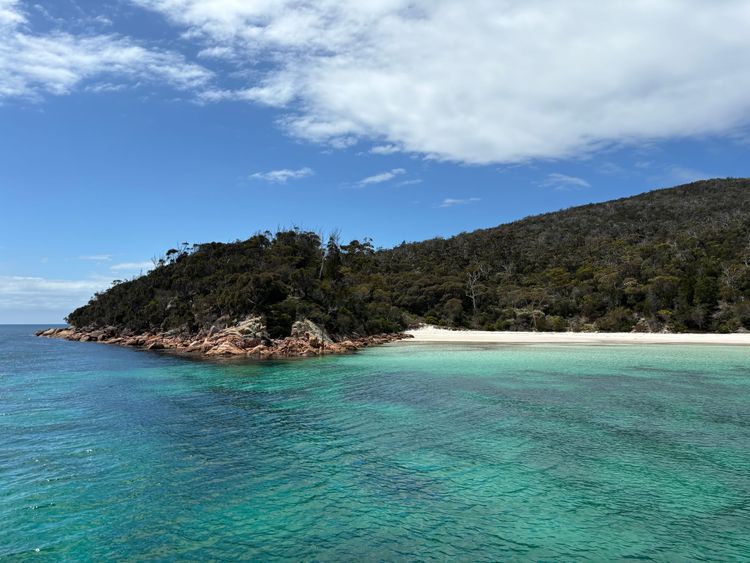
The harbour itself — Macquarie Harbour — is enormous. It's roughly six times the size of Sydney Harbour, connected to the ocean through a narrow channel called Hells Gates. The name tells you everything about how the convicts experienced their arrival.
The seafood in Strahan was exceptional. Every piece of it — fresh, local, simply prepared. We didn't have a bad meal the entire stay. For a town this small, the quality of the food is remarkable, though it shouldn't be surprising given the fishing boats are right there in the harbour.
The Feel of the Place
Strahan is historic, quiet, and alive.
Historic in the visible, tangible sense — the buildings, the harbour infrastructure, the old railway workshops — but without the museum-piece quality that sometimes makes heritage towns feel preserved rather than lived in. People work here. Boats go out in the morning and come back in the afternoon.
Quiet in the way that only genuine remoteness can achieve. This isn't a town that's quiet because nothing's happening. It's quiet because the things that are happening — the fishing, the river, the forest — don't make much noise.
And alive because of the water. The harbour gives Strahan a heartbeat. The tide, the boats, the weather rolling in from the Southern Ocean — there's a rhythm to the place that you tune into after a day or two and miss as soon as you leave.
The Honest Version
Strahan is not a place you pop into for an afternoon. The drive from Hobart is significant, and the town rewards at least two nights. One night doesn't give you enough time for the Gordon River cruise and the harbour, and it doesn't give you enough time to settle into the pace of the place — which is the whole point.
Pair it with Cradle Mountain if you can. The drive between them takes you through extraordinary country, and the two destinations complement each other perfectly — water and forest followed by mountain and alpine heath.
Would we go back? Without hesitation. Strahan was one of those places that exceeded every expectation, and we arrived with high ones. The fishing boats crossing the harbour at dawn, the mirror-still river, the Huon pine cheeseboard that sits on our kitchen bench years later — these are the things a good trip leaves you with.
Go in spring or autumn. Bring a jacket. And stand on the clifftop above the harbour at dusk, when the engines start up again and the boats head out, and let the sound carry across the water to you.
The Quiet Road covers regional Victoria, Tasmania, Italy, EV road trips, and the food and wine that connects it all. Subscribe to the newsletter for one recommendation every Friday.